In a world where energy demands are skyrocketing and climate change is knocking at the door, emerging energy technologies are stepping up like superheroes in spandex. Forget the old ways of generating power; these innovative solutions promise to transform the energy landscape and save the planet—one kilowatt at a time.
Overview of Emerging Energy Technologies
Emerging energy technologies represent a pivotal shift in how power is generated, stored, and consumed. Innovations like solar photovoltaics greatly increase energy efficiency and reduce reliance on fossil fuels. Wind energy systems harness natural resources, offering an abundant and sustainable form of power generation.
Hydrogen energy plays a crucial role in decarbonizing sectors where electrification proves challenging. Advances in fuel cells allow for efficient energy conversion and storage, making hydrogen a versatile fuel source. Energy storage solutions, including lithium-ion batteries, enhance grid stability by providing backup power during peak demand.
Smart grid technologies facilitate real-time monitoring and control of energy distribution. They optimize energy usage, increase reliability, and integrate renewable energy sources more efficiently. Internet of Things (IoT) applications further enhance energy management, allowing users to monitor consumption patterns and reduce waste.
Carbon capture and storage (CCS) technologies limit greenhouse gas emissions from traditional energy sources. By trapping carbon dioxide before it enters the atmosphere, CCS helps mitigate climate change impacts. Geothermal energy systems utilize underground heat to generate electricity, offering a consistent, renewable energy source with minimal environmental footprints.
These technologies, among others, form the backbone of future energy systems. Integrating multiple renewable sources promises to enhance energy diversification. Market adoption is accelerating, driven by advancements in research, supportive policies, and increasing public demand for sustainable solutions.
Key Innovations in Energy Generation
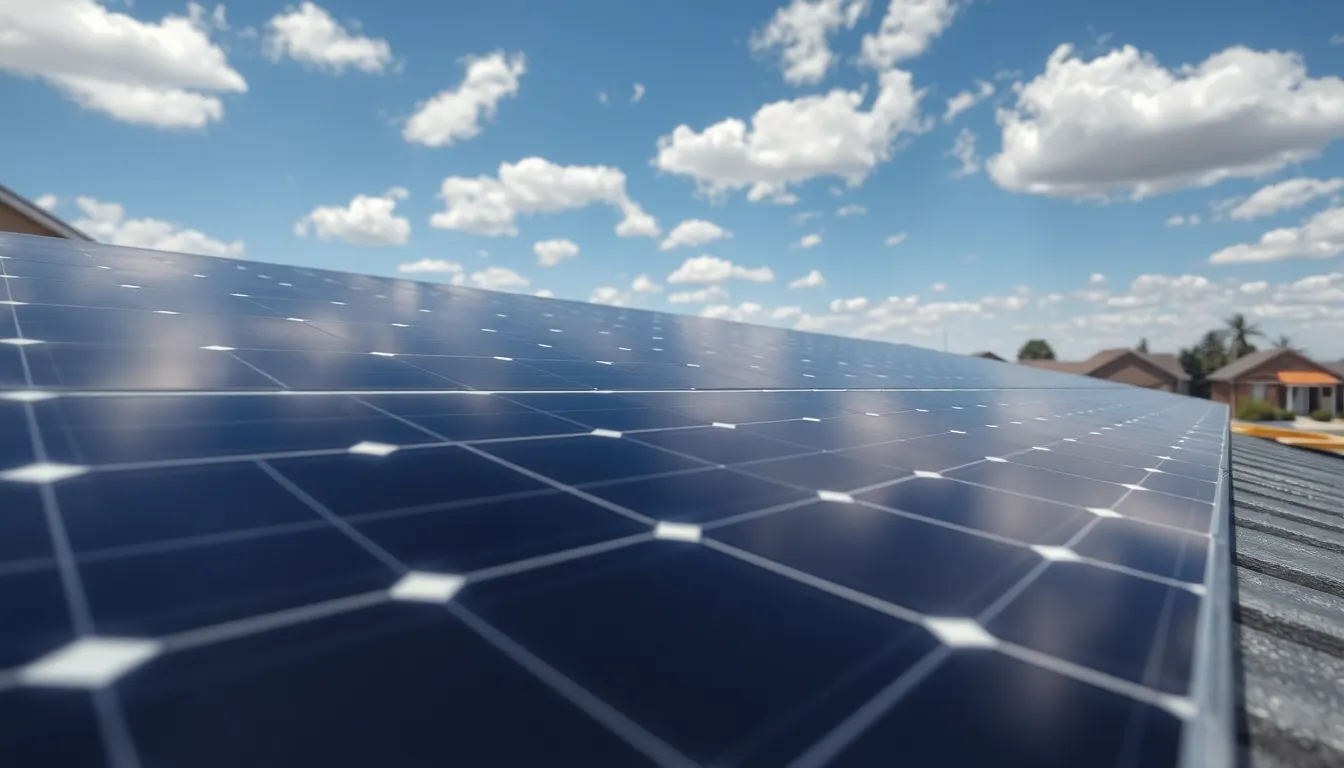
Emerging energy technologies play a crucial role in transforming how energy is generated. These innovations not only enhance efficiency but also promote sustainability in response to growing energy demands.
Solar Power Advances
Solar power systems are experiencing significant advances in efficiency and affordability. Improved solar photovoltaics utilize innovative materials like bifacial cells, which capture sunlight from both sides, increasing energy output. Additionally, solar tracking systems optimize panel positioning throughout the day, maximizing sunlight absorption. The incorporation of energy storage solutions, such as advanced lithium-ion batteries, allows captured energy to be stored for use during non-sunny periods. Global adoption of these technologies accelerates, driven by lower costs and government incentives, enabling greater access to clean energy.
Wind Energy Developments
Wind energy technologies continue to evolve, fundamentally changing power generation. Turbine designs are increasingly sophisticated, with larger blades capturing more wind and generating electricity at lower wind speeds. Offshore wind farms capitalize on stronger and more consistent winds, enhancing overall energy production. Innovations in digital technologies optimize operational efficiency through predictive maintenance and performance monitoring, further improving energy output. Enhanced grid integration methods ensure stable energy distribution, presenting wind energy as a vital component of a diversified energy portfolio.
Energy Storage Breakthroughs
Energy storage technologies play a critical role in managing supply and demand, ensuring a reliable energy future. Innovations in this field enhance the integration of renewable energy sources.
Battery Technology Improvements
Lithium-ion batteries dominate the current market due to their high energy density and declining costs. Significant enhancements in battery lifespan and efficiency have been achieved through advanced materials and design modifications. Solid-state batteries represent a major leap forward, offering greater safety and performance compared to traditional lithium-ion designs. This technology enables faster charging times and increased capacity, addressing limitations that hinder broader adoption. Other emerging options, like flow batteries and sodium-ion batteries, provide alternative pathways to enhance energy storage capacity and lifespan.
Alternative Storage Solutions
Pumped hydro storage remains a leading solution, utilizing gravitational potential energy to store excess energy. Expansion of this technique has prompted the establishment of new installations across varied geographical locations. Compressed air energy storage (CAES) also offers a way to store energy by using compressed air in underground caverns for later use. Emerging technologies like thermal energy storage allow for storing heat generated from renewable sources, making it possible to provide energy during high demand periods. Researchers continue exploring innovative options such as kinetic energy storage to diversify the energy storage portfolio and improve resilience.
Smart Grid Technologies
Smart grid technologies represent a transformative shift in energy distribution and management. These systems improve efficiency, reliability, and integration of renewable energy sources.
Benefits of Smart Grids
Increased reliability marks a significant advantage of smart grids. Real-time monitoring enables quick identification and resolution of outages. Enhanced energy efficiency follows due to optimized power distribution, reducing waste. Cost savings arise from lowered operational expenses for utilities. Users experience greater control over their energy consumption patterns, leading to more informed decisions. Environmental benefits also shine through as smart grids promote the integration of renewable sources, further decreasing greenhouse gas emissions. Data analytics provide insights into consumption trends, allowing for tailored energy solutions that meet specific needs.
Implementation Challenges
Adopting smart grid technologies faces several challenges. High initial investment costs deter some utilities from making the transition. Technical complexity complicates integration with existing infrastructure, requiring significant upgrades. Cybersecurity concerns represent another hurdle, as interconnected systems become potential targets for cyberattacks. Regulatory environments may lack necessary frameworks to support smart grid deployment. Utility companies must also manage the workforce transition, ensuring staff are trained on new technologies. Collaboration among stakeholders is essential to address these barriers, paving the way for a successful smart grid rollout.
Sustainable Energy Solutions
Sustainable energy solutions play a crucial role in addressing climate change and meeting rising energy demands. Solar power technology, including bifacial cells and solar tracking systems, enhances output and efficiency. Wind energy systems also evolve with larger turbines and offshore farms, significantly increasing energy production capabilities.
Hydrogen energy emerges as a key player in decarbonizing hard-to-electrify sectors. Advances in fuel cells improve energy conversion and storage, making hydrogen a viable alternative. The integration of energy storage technologies, particularly lithium-ion batteries, stabilizes grid reliability by providing backup power during peak demand.
Smart grid technologies revolutionize the distribution of energy. They optimize renewable energy integration while enabling real-time monitoring and control of consumption. Quick identification of outages minimizes waste, resulting in cost savings for utilities and informed energy decisions for consumers. Despite this, adoption faces challenges such as initial costs and cybersecurity concerns.
IoT applications enhance energy management further by allowing users to track consumption patterns. Carbon capture and storage technologies help limit greenhouse gas emissions, while geothermal energy systems provide consistent renewable energy with minimal impact on the environment.
Breakthroughs in energy storage are integral to balancing supply and demand. Developments in solid-state batteries promise enhanced performance and safety, while alternative solutions like pumped hydro and compressed air energy storage offer diverse methods to increase energy capacity.
Kinetic energy storage research aims to broaden the options available in the energy storage portfolio. Together, these innovations represent the backbone of future energy systems, driven by advancements and public demand for sustainable energy solutions.
The landscape of energy generation and consumption is evolving rapidly. Emerging technologies are not just enhancing efficiency but are also paving the way for a sustainable future. Innovations in solar and wind energy, alongside advancements in hydrogen and energy storage, are crucial in reducing dependence on fossil fuels.
Smart grids and IoT applications are transforming how energy is managed, allowing for real-time monitoring and optimized distribution. While challenges remain, the collective effort of stakeholders will drive the adoption of these technologies. As these advancements gain traction, they hold the potential to significantly mitigate climate change impacts and meet the growing energy demands of the future.